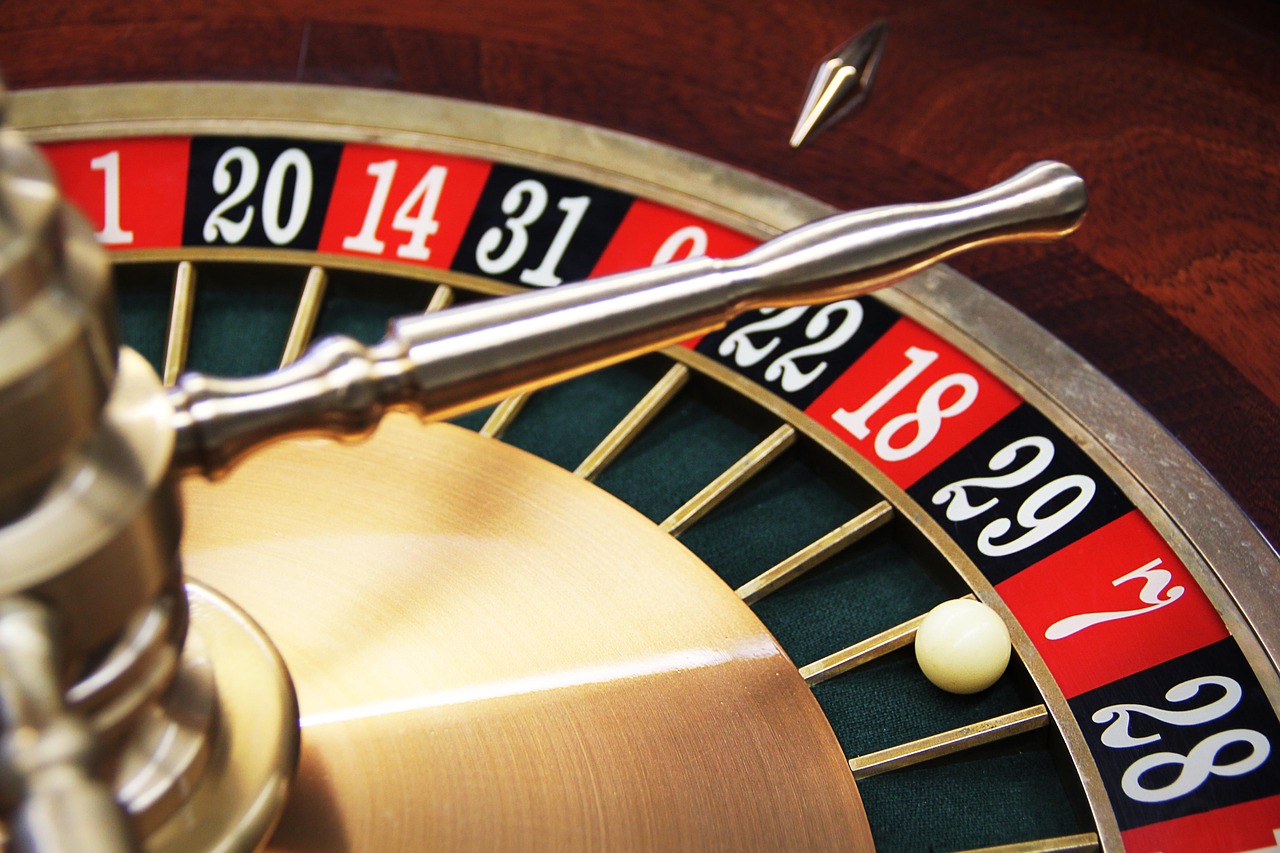

When we enter a physical bookmaker or sit down at a gaming machine in a UK high street, we tend to trust that the machinery and the dealer are working fairly because we can see the physical mechanisms at work https://wishwins.eu/. The online space takes away that instant visual reassurance, swapping mechanical reels and physical cards with digital algorithms and random number generators. This shift has understandably led many players to wonder whether the games they are playing are genuinely fair or covertly rigged against them. The concept of a fairness check has thus become essential to the modern online gambling conversation, especially for a platform like WishWin Casino that caters to a discerning British audience. Before we plunge into the technicalities of testing and verification, we should understand that fairness is not a singular switch that gets switched on or off, but rather a complicated ecosystem of mathematics, regulation, and independent oversight that works constantly behind the scenes.
The Fundamental Idea of the Number Generator
At the center of every slot machine spin, card shuffle, and dice roll exists a piece of software referred to as the Random Number Generator, universally abbreviated as RNG. We ought to view an RNG not as a simple random picker but as a very sophisticated algorithm that generates a sequence of numbers so large and unforeseeable that it practically simulates true randomness. In a tangible sense, true randomness arises from chaotic physical processes like radioactive decay, but in computing, we use pseudo-random number generators started with incredibly precise and constantly changing variables, frequently incorporating atmospheric noise or the exact millisecond of a hardware event. The important contrast for a player to grasp is that a properly functioning RNG does not possess a memory. If you have suffered ten straight losses on a slot, the RNG does not know this and does not owe you a win on the eleventh spin.
The real-world consequence of this memoryless property is deep for how we approach our gameplay. Every single outcome is an separate occurrence, completely disconnected from the one that came before it and the one that will follow. This is why chasing losses based reddit.com on the feeling that a machine is “due” to pay out is a fundamental misunderstanding of the technology. For a UK-facing business like WishWin Casino, the RNGs powering the game library are not developed internally by the casino but are supplied by the game studios themselves, such as NetEnt, Play’n GO, or Pragmatic Play. These developers have their RNGs verified and validated before they ever enter the casino lobby, meaning the core mathematical engine is already vetted. When we log in to play, we are basically connecting to a pre-certified mathematical model that is built to produce a particular long-term statistical result, which we call the Return to Player percentage.
Provably Fair Versus Conventional Centralized Systems
A digital evolution that has joined the fairness conversation is the concept of “provably fair” gaming, which emerged in the cryptocurrency casino space. In a standard online casino, the RNG runs on the operator’s server, and we must trust the testing lab’s certification that it is fair. A provably fair system, by contrast, uses cryptographic hashing to enable the player to independently verify that the outcome of a game was not altered after the bet was placed. The server produces a seed, hashes it, and gives the player the hash before the bet. After the bet, the player receives the original seed and can use a basic tool to check that the hash matches, confirming the outcome was predetermined and unaltered. This transfers the trust from an institutional model to a mathematical one.
Nevertheless, for a typical UK-licensed casino like WishWin Casino, the traditional centralised model continues to be the standard, and this is largely due to the commercial game libraries that lead the market. The hit slots and live dealer games from Evolution or NetEnt are built on the centralised RNG model and are not provably fair in the cryptographic sense. Does this render them less trustworthy? Not automatically. The UKGC’s regulatory framework and the independent testing lab certifications offer a level of oversight that, while distinct from cryptographic proof, is legally binding and subject to severe penalties. The provably fair model is elegant, but it currently exists mainly outside the regulated UK ecosystem. For us, the realistic fairness check requires verifying the regulatory and testing lab seals rather than running a hash algorithm, because the games we are playing simply do not support the latter method.
Verifying Live Dealer Game Integrity
Live dealer games offer a unique case in the world of fairness because they merge digital interfaces with real-world elements. When we play live blackjack or roulette at WishWin Casino, we are not relying on an RNG for the primary result; we are viewing a human dealer pull a card from a shoe or spin a actual roulette wheel. The integrity check here transitions from algorithmic certification to visual verification. We should be able to witness the dealer randomizing the cards or changing the decks, and many gaming studios now use automatic shufflers that are themselves validated by testing labs. The video cameras positioned over the table are not just for appearance; they serve as our eyes, and the continuous, unprocessed video is a essential part of the inspection log.
OCR and Data Integrity
The system that bridges the physical action and our digital screen is Optical Character Recognition, or OCR. Every card that is dealt or number that the ball lands on is rapidly scanned by high-definition sensors and transformed into digital data that updates our game interface. A critical fairness check we can perform mentally is to see whether the on-screen data matches the physical event without delay or discrepancy. If the ball lands on black 17, the screen must display black 17 instantly. Any lag or mismatch could suggest a data integrity issue, though in a properly regulated environment this is exceptionally rare. The game history and roadmaps offered in the interface also allow us to review past results, ensuring that the statistical distribution of numbers over hundreds of spins looks natural and does not display impossible patterns that would suggest a rigged wheel. We can cross-reference these histories with our own records if we are particularly diligent.
Payment Processing and the Proper Handling of Funds
A integrity review that is often neglected is the financial conduct of the platform. A casino could have perfectly certified games, but if it takes weeks to pay out winnings or charges hidden fees, the overall experience is inherently unjust. In the UK, the payment system for a site like WishWin Casino usually comprises debit cards, which are the most common method, alongside e-wallets such as PayPal, Skrill, and Neteller, and more and more bank transfer services like Trustly that enable open banking. The equity of the financial process is defined by the Payment Services Regulations and the UKGC’s rules on withdrawal times. We should anticipate that a withdrawal request is handled within a set timeframe, usually no more than 48 hours for e-wallets and 3 to 5 business days for cards, once the account verification is finished.

The account verification process itself is a equity tool, though it commonly appears like a obstacle. Know Your Customer (KYC) checks are statutorily required to prevent fraud and money laundering, and a honest casino will make this process seamless and clear. We should be required to provide proof of identity and address, and a just platform will assess these documents promptly, often within 24 hours. A red flag of an unfair operation is a casino that only requests these documents when you seek a large withdrawal, using the delay as a tactic to coerce you into reversing the withdrawal and gambling the money away. At a fair UK-licensed casino, the KYC request should optimally occur shortly after registration or first deposit, and the rules regarding withdrawal limits and processing fees should be plainly communicated without buried clauses. We must examine the banking page carefully to understand if there are any maximum withdrawal limits per transaction or per week, as these can significantly impact our ability to access large wins.
Offer Rules and the Real-World Fairness Test
The most contentious area of fairness for many players is not the RNG but the rules attached to marketing promotions. A welcome bonus can look very appealing on the surface, but the true fairness check lies in the betting terms, game weightings, and deadlines buried in the fine print. A wagering requirement of 35x the bonus amount is a typical industry figure, but fairness is judged by how practically attainable that target is within the restrictions. If the terms state that you must wager £1,750 to release a £50 bonus but also limit your maximum bet to £2 while wagering and exclude all high-RTP games like blackjack, the statistical truth is that you are very likely to lose your balance before fulfilling the requirements. This is not a systematic flaw in the RNG sense, but a design issue in the offer design.
We must apply a practical fairness check to any bonus we intend to claim. This means examining the full terms and conditions document, not just the overview on the promotions page. We should search for the game weighting percentages, which often lower table games and live dealer games to a 10% or even 0% contribution. This effectively forces us to play slots, where the house edge is greater, to fulfill the playthrough. We should also review the maximum bet limit during wagering, which is a UKGC-mandated rule to prevent high-risk play with bonus funds, but the limit should be sensible. A trustworthy site will also show us our wagering progress transparently in our account dashboard, distinguishing our cash balance from our bonus balance and showing clearly how much we have left to wager. If this information is obscured or difficult to find, that is a cause for concern for the general ethical approach of the operator.
Mobile Platform Consistency and Functionality
Equity also applies to the performance of the platform across multiple devices. A game that operates smoothly on a desktop computer but stutters, crashes, or drops often on a mobile device creates an biased playing field, notably if those interruptions happen during bonus rounds or high-stakes moments. For the modern UK player, mobile gaming is the primary mode of access, and we should anticipate a flawless experience whether we are using a native app or a mobile browser. The fairness check here entails testing the system on our selected device to see if the game logic remains consistent. A slot should have the equivalent RTP and volatility profile on a £200 Android phone as it does on a high-end desktop PC, because the algorithmic engine functions on the server, not on our device.
We should concentrate on how the platform handles interruptions. A just system will have a strong game state recovery feature. If our train goes through a tunnel and we drop connection mid-spin, the next time we access, the game should continue at the exact moment of disconnection, displaying us the outcome of that halted spin fairly. If the platform voids the spin and gives back our stake, that might look lenient, but if we had started a bonus, it could be highly unfair. The technical architecture of a site like WishWin Casino should be built on a transaction-based server model, where every action is logged in real-time. We can verify this by deliberately closing a game mid-spin in demo mode, if accessible, and observing the result upon reload. The outcome should be equivalent to what would have happened without the disruption, proving that the server, not our phone, is the real arbiter of the game.
Grasping Return to Player Percentages in Context
Return to Player, or RTP, is likely the most quoted statistic in the fairness debate, yet it is often misunderstood. We often see players read a 96% RTP as a assurance that they will get back £96 for every £100 they wager. This is not how the mathematics works in practice. The RTP is a calculated calculation derived from conducting a simulation of the game over tens of millions, or even billions, of spins. It denotes the long-term expected average, but the variance around that average is what generates the actual experience of winning and losing. In a single session, a player could forfeit their entire bankroll or win a jackpot many multiples of their stake, and both outcomes are entirely consistent with a 96% RTP over the long run. The short term is governed by volatility, while the RTP only becomes apparent over a horizon that no single human being will ever attain in their lifetime of play.
When we analyze the games available at WishWin Casino, we should search for this RTP information, which is typically found within the game’s help files or paytable section. UK-facing platforms are generally transparent about these figures, and they can fluctuate significantly between different titles. A classic fruit machine slot might be around 95%, while a modern low-volatility video slot could exceed 97%. Table games like blackjack, when played with perfect basic strategy, can show an RTP exceeding 99.5%, which is why the house edge is so slim in those games. The key takeaway for us as players is that the RTP is not a promise for our session but a indicator of the mathematical design. A fairness check involves verifying that the game is actually functioning according to this published theoretical model, not that the model guarantees a profit.
The way Independent Testing Laboratories Validate Games
The connection between the theoretical mathematics of an RNG and our trust as players is built by independent testing laboratories. These are specialized third-party companies that operate as the auditors of the gambling industry, and they are entirely separate from the casinos and the game developers. The most recognised names in this space globally, and particularly for the UK market, include eCOGRA, iTech Labs, GLI (Gaming Laboratories International), and BMM Testlabs. Their job is to take the source code of a game, run it through thorough statistical analysis, and verify that the outcomes produced match the theoretical RTP within an acceptable margin of error over billions of simulated rounds. They are not simply checking that the game is “not rigged”; they are certifying that the mathematical model is implemented correctly and that the RNG is truly unpredictable.
The procedure these labs undertake is rigorous and destructive in the best possible way. They will attempt to reverse-engineer the RNG to see if it can be predicted, a process that involves looking for patterns in the generated numbers using sophisticated cryptanalysis. They also perform what is known as a source code review, ensuring there are no hidden backdoors or logic branches that could be triggered to cheat a player under specific conditions. Once a game passes these tests, it receives a certification seal, which is often displayed in the footer of the casino website or within the game’s loading screen. For a player at WishWin Casino, clicking on that seal should ideally take you to a live certificate hosted on the testing lab’s website, providing real-time verification that the certification is current and has not lapsed. This is a concrete, checkable detail we should always look for.
The function of the UK Gambling Commission in Player Protection
In the United Kingdom, the technological fairness of the games is merely one element of a much larger regulatory framework implemented by the UK Gambling Commission (UKGC). The UKGC is considered as one of the strictest regulatory bodies in the world, and its scope goes much further than simply reviewing RNG certificates. The Commission requires that operators must comply with specific technical standards, called the Remote Technical Standards, which dictate everything from how the RNG must be seeded to how game outcomes are presented on the screen so as not to mislead the player. When we play at a casino that holds a UKGC licence, we are shielded by rules that demand the operator to segregate player funds from operational funds, guaranteeing that our money is protected even if the company experiences financial difficulties.
The UKGC’s strategy to fairness also reaches into the area of marketing and terms and conditions. We have all encountered the horror stories of players having winnings taken because of unclear bonus terms, and the Commission has taken action on this, insisting that terms be just, transparent, and not liable to ambiguous interpretation. This means that a fairness check for a UK player is not simply a technical audit of the slots but an assessment of the whole contractual relationship between us and the operator. We should examine the footer of the WishWin Casino homepage for the UKGC licence number, which is typically a specific digit sequence. We can then verify this number on the UKGC’s public register to verify the operator’s identity, their licence status, and whether they have any prior regulatory actions or sanctions against them. This is a potent step we can take ourselves before depositing a single pound.
Building a Custom Framework for Continuous Assurance
In the end, a single fairness check before signing up is insufficient. The state of a casino’s licences, certifications, and including its ownership can shift over time, and we must have a individual framework for sustained assurance. This framework must consist of three layers. The initial layer is the preliminary verification: checking the UKGC licence number on the open register, clicking the testing lab seal to see the live certificate, and reviewing the main financial and bonus terms. The second layer is session-level awareness, which involves observing the conduct of the games we play. While we cannot detect RNG bias in a short session, we can spot if the game history in a real-time dealer game seems contradictory, or if the platform’s disconnection recovery fails repeatedly. We ought to trust our findings and communicate anomalies to customer support, evaluating their responsiveness and technical competence.
The final and most important layer is our own record-keeping. A fair platform will supply a complete history of our operations, bets, and game rounds, and we should from time to time download or screenshot this data. By keeping our own simple spreadsheet of deposits and withdrawals, we can rapidly spot any discrepancies. This practice also helps us maintain a realistic view of our net position over time, which is the supreme fairness check. A casino can have perfect RNG certificates and a glowing UKGC record, but if our personal, long-term experience does not match with the theoretical RTP of the games we play, we should cease and reassess, though we must always account for the strong effect of variance. The final assurance is that in the UK, we have access to independent dispute resolution services like eCOGRA’s dispute mediation, which we can elevate to if we believe a genuine unfairness has occurred and the operator has not resolved it adequately.
As we explore the world of online gaming, the concept of a fairness check evolves from a simple technical certificate into a holistic evaluation of the entire operation. We have shifted from trusting a physical roulette wheel to trusting a cryptographic hash or a regulatory badge, and that requires a different kind of literacy. The tools to verify fairness are accessible to every UK player if we know where to look and what questions to ask. The most powerful step we can take right now is not to search for a single “fair” casino, because fairness is not a permanent state but a continuous process of verification. Instead, we should take the framework outlined here and apply it directly to the platform in front of us, verifying the licence, reading the terms, assessing the mobile recovery, and monitoring the live streams with a critical eye. Only by interacting with these mechanisms actively do we move from being passive consumers of a gaming product to informed participants in a regulated and transparent ecosystem.